
Your Will Should Be Part of a Plan — Not the Whole Thing
Most people assume a will is enough. It names who gets what, it reflects your wishes, and it feels like the responsible thing to have in place. All of that is true — and a will is absolutely part of every complete estate plan I put together. But a will alone leaves your family with a court process, a public record, and no protection against Medicaid costs. In my practice, a will typically works alongside a
living trust as a pour-over will, capturing any assets left outside the trust at death, if any, and directing them in. That structure gives your plan a safety net and gives your family a cleaner path forward.

Dying without a will in Michigan means that state law determines which is in charge of your estate and who benefits. Often, that leads to a different result than what you intend. A surviving spouse may not receive everything. Adult children from a prior relationship may receive a share you never intended them to have. Distant relatives may inherit assets you would have directed elsewhere. The formula does not account for who was close to you, who cared for you, or what you would have chosen. A properly drafted will puts those decisions back in your hands.
What a Will Can Do — and What It Cannot
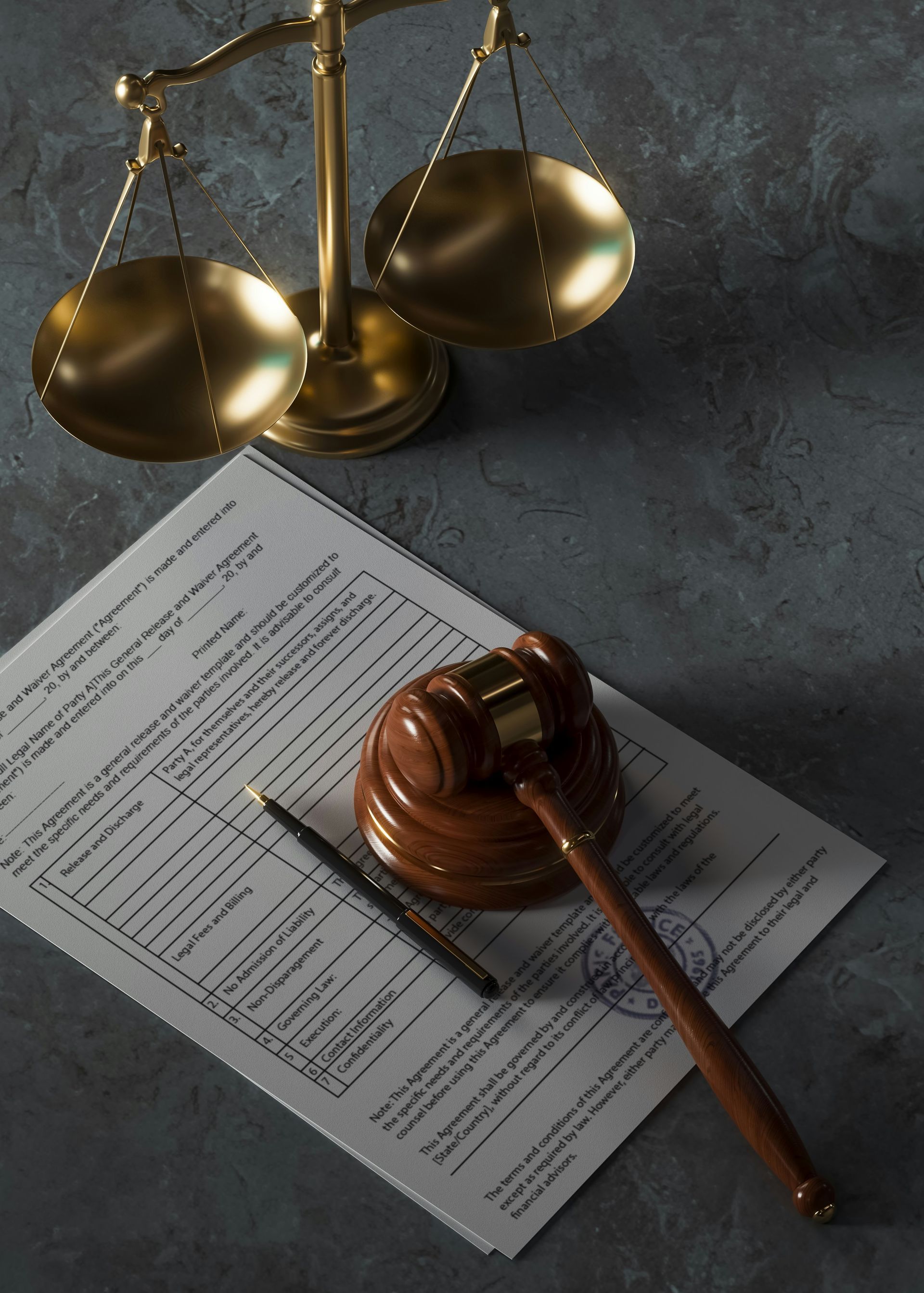
Understanding the limits of a will is just as important as having one. Here is what a last will and testament does and does not accomplish in Michigan:
A will can:
- Name the beneficiaries who will receive your assets
- Designate a personal representative to manage your estate through the process
- Appoint a guardian for minor children — one of the most important functions a will serves for young families
- Direct assets into a living trust through a pour-over provision, if a trust is the foundation of your plan
A will cannot:
- Avoid probate — every Michigan will must pass through probate court, which is public, court-supervised, and can take months or longer
- Shield your assets from nursing home costs or Medicaid spend-down requirements
- Control assets that pass by beneficiary designation or joint ownership, such as retirement accounts, life insurance, or jointly held real estate
- Provide for management of your assets if you become disabled.
If your goal is to avoid probate and protect what you have built, a
living trust does that work. A will fills in the gaps and makes the plan complete.
Frequently Asked Questions About Wills in Michigan
Does having a will avoid probate in Michigan?
No. In Michigan, a will must go through probate — a court-supervised process that is a matter of public record. The will tells the court what you wanted, but the court still oversees distribution. If avoiding probate is a priority, a revocable living trust is the more effective tool, and a pour-over will works alongside it to capture anything left outside the trust.
Do I still need a will if I have a living trust?
Yes, and I include one in every trust-based plan I prepare. A pour-over will acts as a backstop — if any asset was never transferred into the trust during your lifetime, the will directs it into the trust at death. It also serves as the document where you appoint a guardian for minor children, which a trust cannot do.
Can I write my own will in Michigan?
Michigan does recognize handwritten (holographic) wills under certain conditions, but the risks are significant. Ambiguous language, missing signatures, improper witnessing, or outdated provisions can all create problems that your family has to resolve in court after you are gone. A will drafted by an attorney eliminates those risks and ensures the document actually does what you intend.
How often should I update my will?
Any major life change is a reason to review it — marriage, divorce, the birth of a child or grandchild, the death of a named beneficiary or personal representative, a significant change in assets, or a move to a different state. I also recommend a general review every three to five years even when nothing obvious has changed. If you have a will you have not looked at in years, there is a reasonable chance it no longer reflects what you would choose today.
What is a pour-over will and why does Doug use it?
A pour-over will is a specific type of will designed to work in tandem with a living trust. Rather than distributing assets directly to named individuals, it directs any assets outside the trust at the time of death to pour into the trust, where the trust's distribution terms take over. This structure ensures that assets you forgot to retitle, or that came to you late in life, still end up where you intended — and are handled according to the trust's terms in private.
A Will That Works the Way You Intend It To
I have been preparing
wills and complete estate plans for
Muskegon County families since 1989. Every will I draft is built around your specific situation — your family structure, your assets, and whether a trust belongs at the center of your plan. If your will is years old, or if you have never had one prepared by an attorney, a 90-minute consultation is the right place to start. The consultation fee applies toward your planning costs if you move forward.